Social Impact
Investing in Women. Creating long-term change.
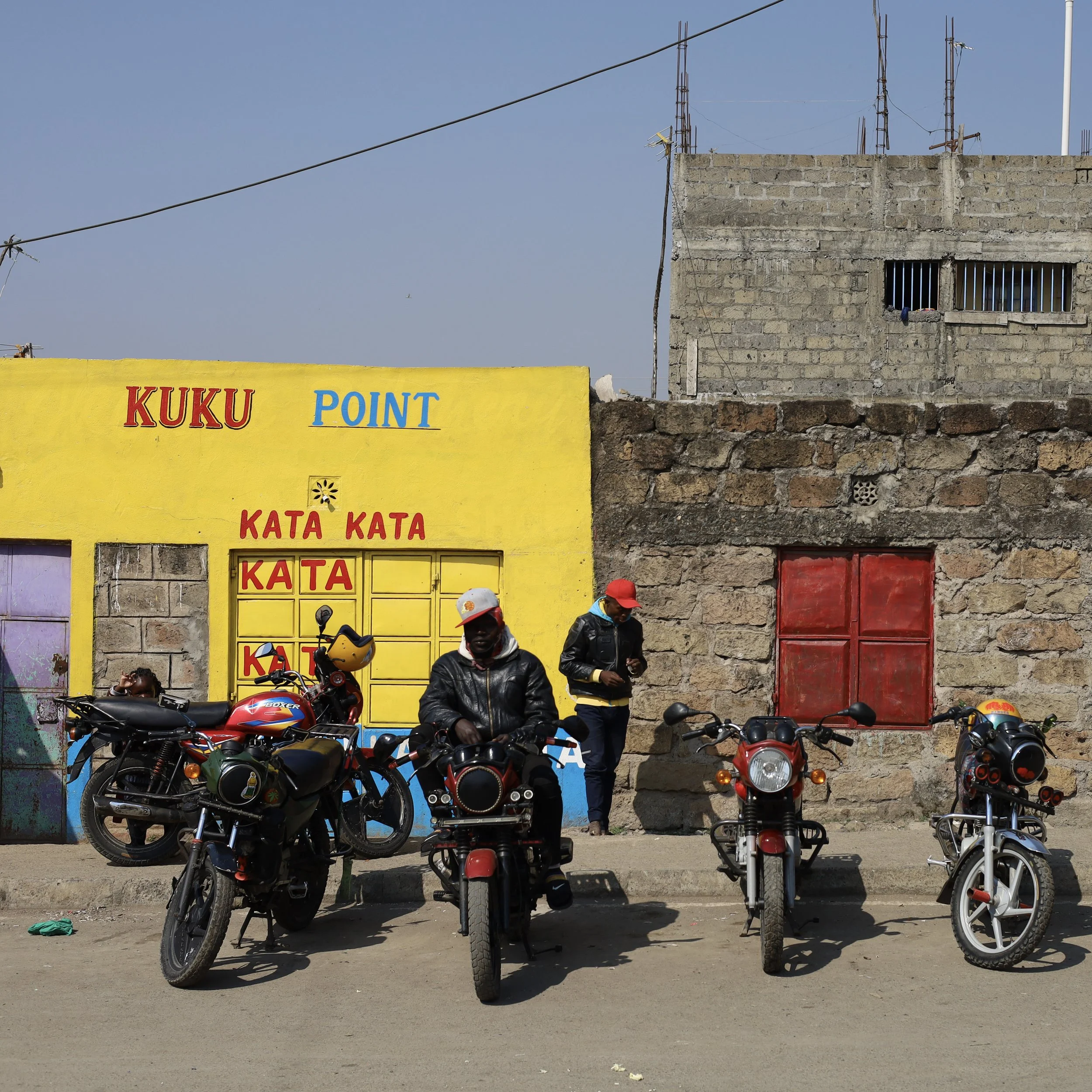
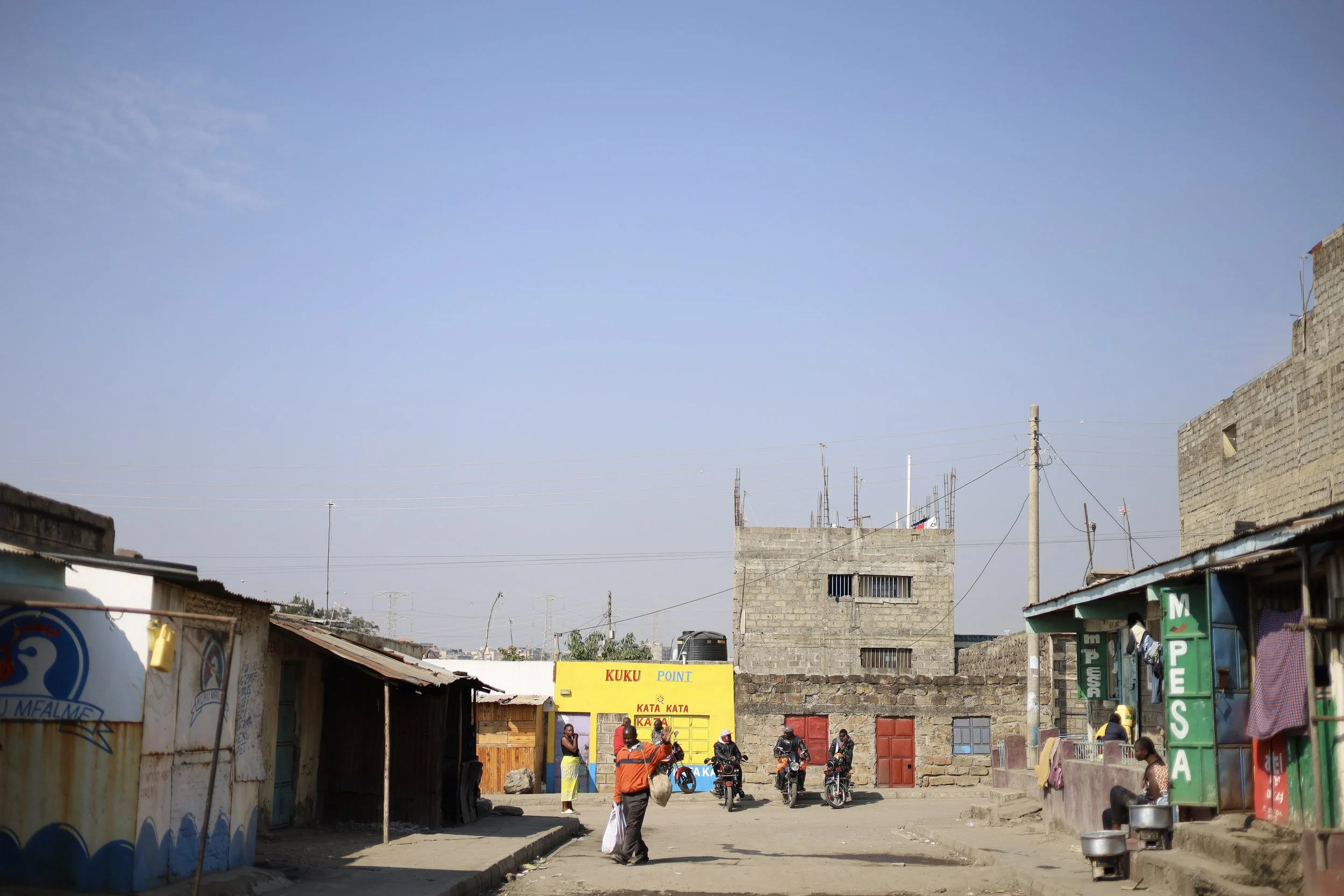
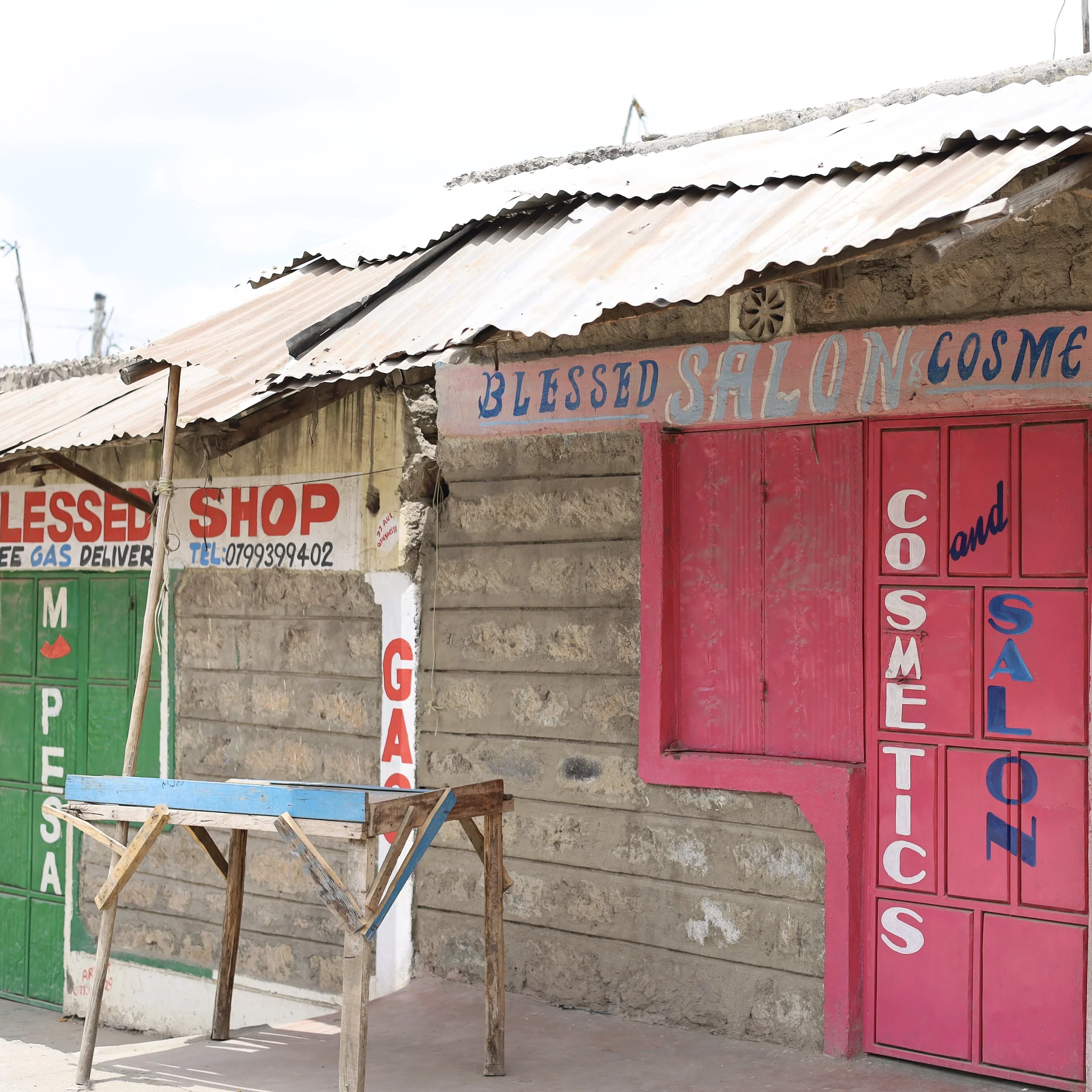
About Kayole
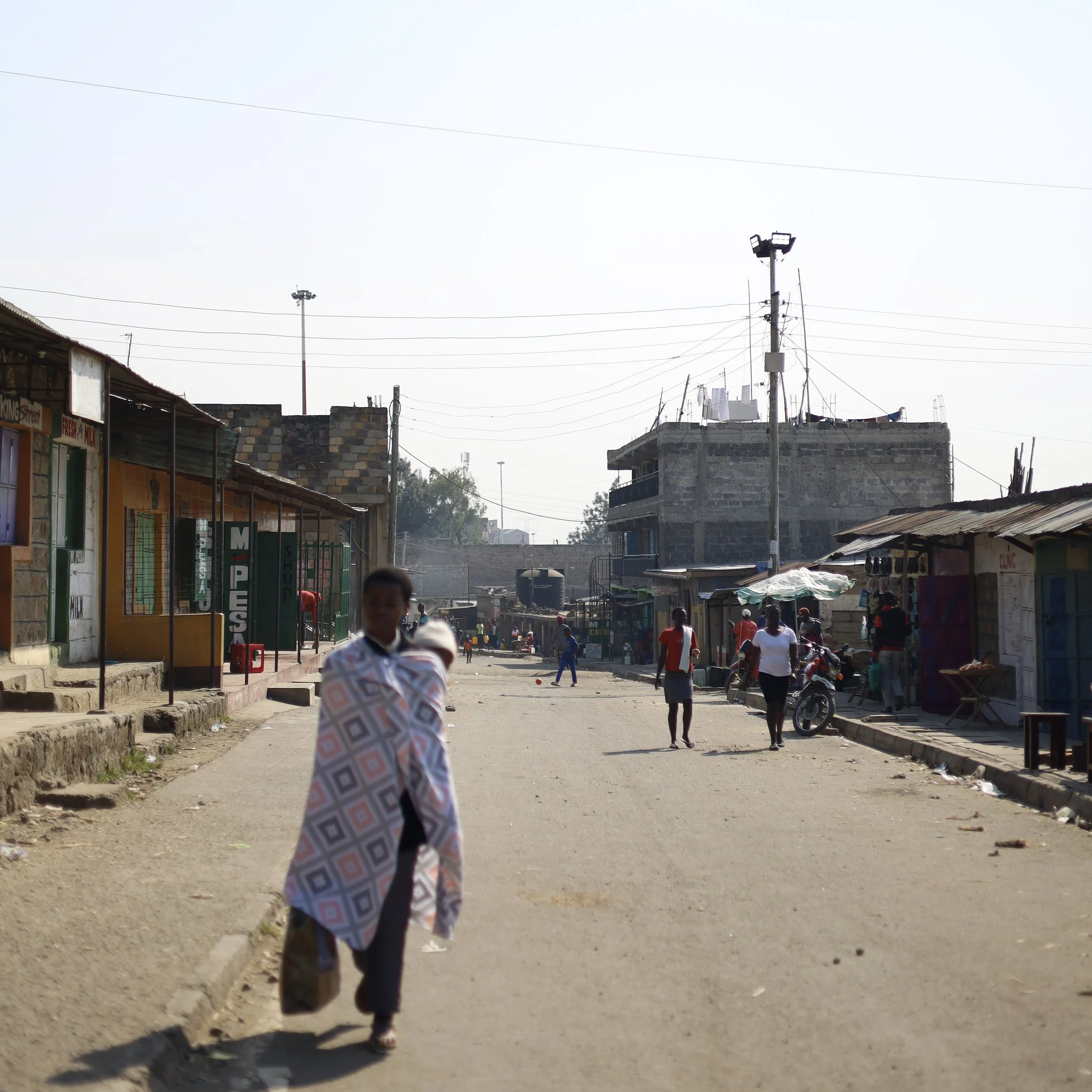
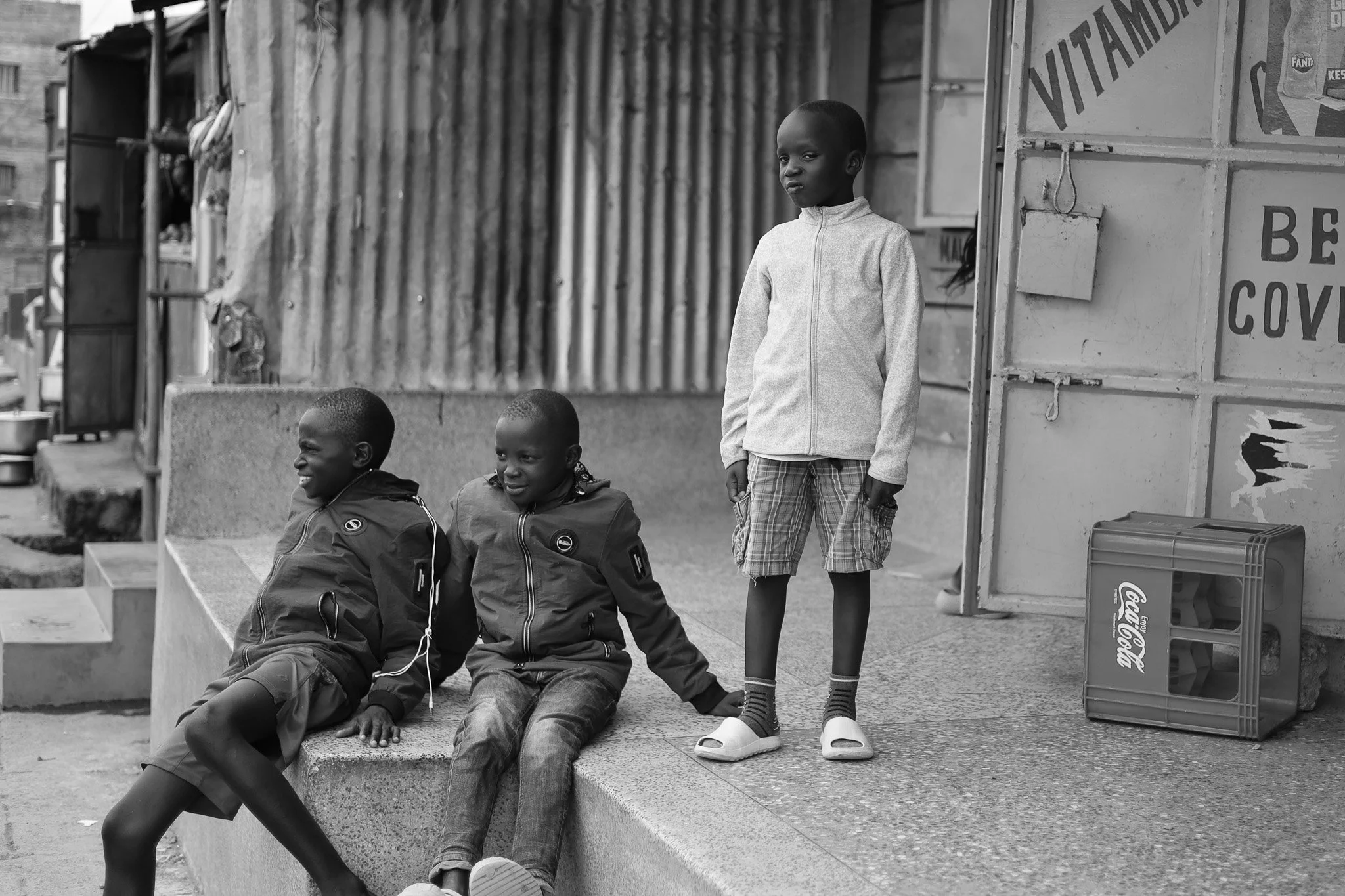
Kayole is one of Nairobi’s most densely populated informal settlements, with approximately 55,600 people per square kilometre, where:
38% of households are female-led
Many families live on roughly $1 per day
Women - particularly widows and single mothers - face systemic exclusion from formal employment.
Our intervention targets these structural barriers directly through skills development, education and mental health support.
Our Partner - Skylit Centre
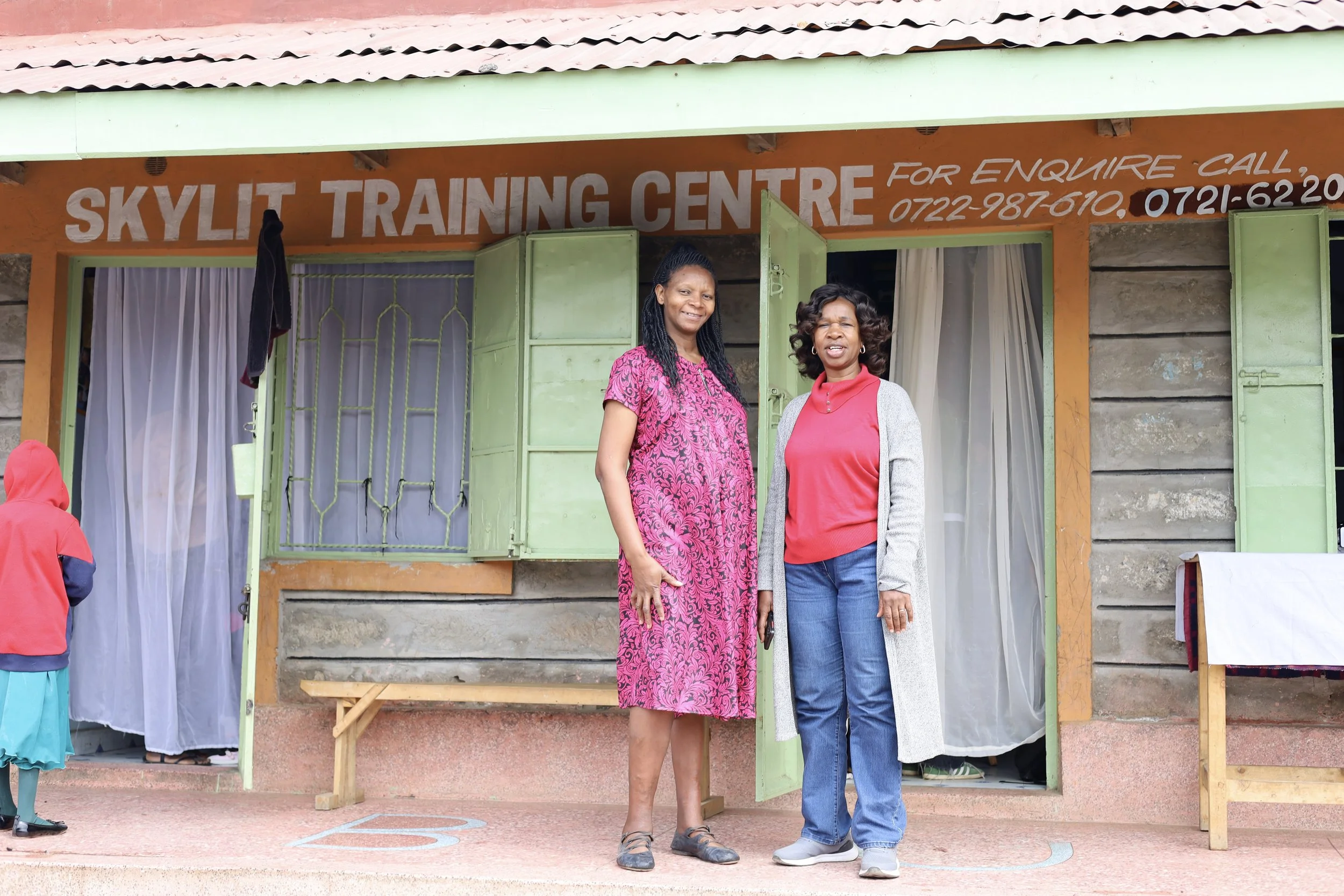
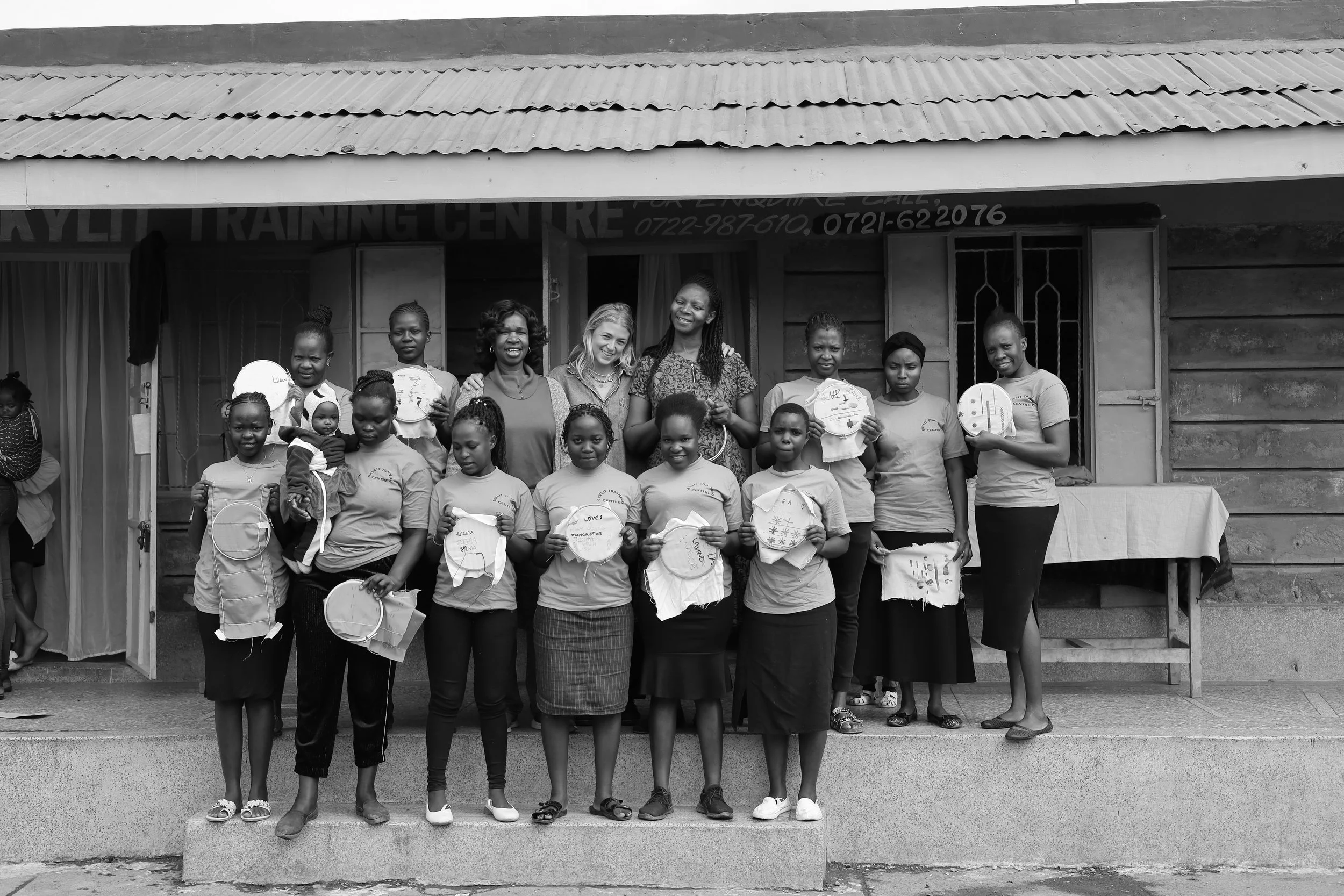
The Skylit Centre, a flagship women’s empowerment initiative run by UNESCO Africa in Kayole Soweto, is the foundation of our work.
The Centre provides skills training, entrepreneurship support, and peer-led learning opportunities in a safe, community-driven environment. Women develop vocational skills, including garment production and beauty services, building pathways to income generation
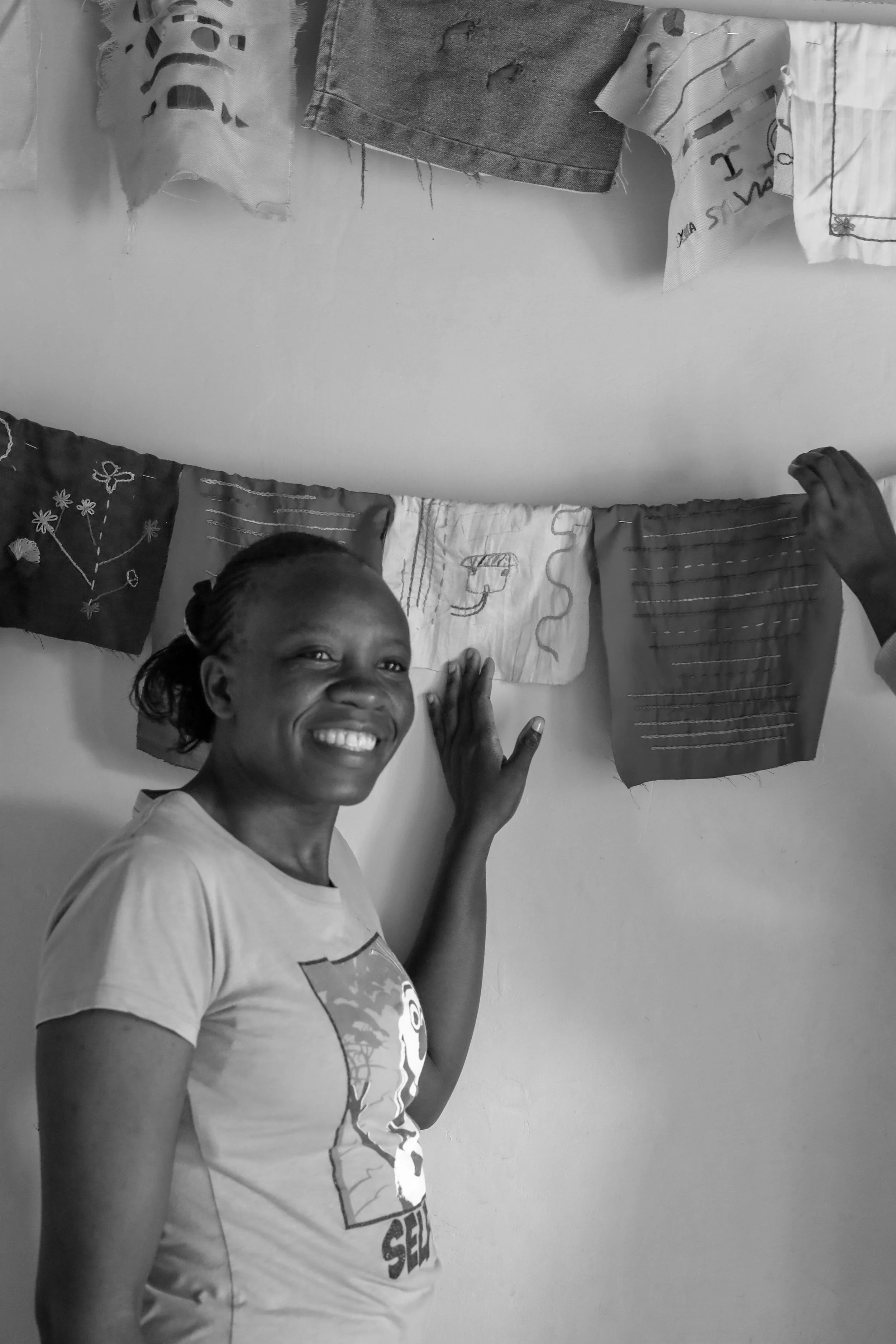
Initially, Chloe visited the Skylit Centre once a week for two months, teaching nine women how to hand-embroider different fabrics with different stitches. As the embroiderers grew in skill, they were commissioned to work with Chloe to create handmade products. Groups of women continue learning under her tutelage every week, practising their embroidery skills by working on the fabric packaging of the goods.
All the women in the Collective are paid a fair rate for their work and are now earning a sustainable wage.